
VCSEL Laser Diodes for Precision Optics, High-Speed Links & Sensing
Lumi supplies 795nm, 850nm and 940nm vertical-cavity surface-emitting laser (VCSEL) devices for wavelength-sensitive optical instruments, board-level optoelectronics and compact near-infrared sensing systems.
Available product formats include 1206 SMD emitters, a 1616 SMD VCSEL with integrated photodiode, and precision 795nm TO-46 / TO-39 options with TEC control. Select a product by its required optical performance, modulation, package and emitter configuration—not wavelength alone.
What Is a Vertical-Cavity Surface-Emitting Laser?
A VCSEL is a semiconductor laser with an optical resonator oriented substantially perpendicular to the wafer. Light emerges through the chip surface. This differs from most FP and DFB lasers, which emit along an edge-defined waveguide.
VCSEL cavities use highly reflective distributed Bragg reflector (DBR) mirrors surrounding a gain region. Optical and electrical confinement, often including an oxide aperture, influences threshold current, mode behavior, divergence and efficiency.
The resulting device format can offer compact surface emission, convenient wafer-level testing and potentially fast direct modulation. Arrays are also possible, but single-emitter specifications cannot be used as array specifications.
Simplified optical stack · conceptual, not a specific device cross-section
- ↑ Surface-Normal Optical Output
- Top Electrical Contact
- Upper DBR Mirror
- Active Region / Quantum Wells
- Optical & Current Confinement
- Lower DBR Mirror
- Substrate / Bottom Contact
Layer order and materials depend on the actual epitaxial structure. Learn more about VCSEL technology.
Compare 795nm, 850nm and 940nm VCSEL Devices
These wavelengths are not drop-in substitutes. Each current Lumi product addresses different spectral, electrical and mechanical constraints.
| Device | Current configuration | Published performance highlight | Engineering direction |
|---|---|---|---|
| 795nm VCSEL | Single-mode TO-46 / TO-39, TEC option | 0.13mW typical; linewidth ≤100MHz; FM bandwidth ≥3.4GHz | Atomic/precision optics, wavelength-sensitive instrumentation |
| 850nm 1206 | Single-channel 1206 SMD | 2mW typical @ 6mA; 3dB bandwidth ≥3GHz | Compact high-speed optical links and integration |
| 940nm 1206 | Single-channel 1206 SMD | 7.2mW typical @ 10mA | Near-infrared proximity, reflective optical sensing |
| 940nm VCSEL + PD | Integrated emitter/detector in 1616 SMD | 7.2mW typical emitter; integrated photodiode | Compact short-range sensing architectures |
Performance figures depend on the test conditions of each individual product. For final design limits and pinouts, use the corresponding device specification.
Explore Lumi VCSEL Laser Diodes
Browse current TO and SMD VCSEL devices. Product thumbnails, names and product-detail links are loaded dynamically from WooCommerce; new products in the VCSEL classification will appear here automatically.

795nm VCSEL for Wavelength-Sensitive Optical Systems
Lumi’s 795nm VCSEL is designed for single-mode operation, narrow spectral linewidth and high-speed frequency modulation in a discrete TO package. It is fundamentally different from the higher-optical-power 940nm active-sensing emitters.
- 795nm typical vacuum peak wavelength; specified range 794.76–795.28nm
- 0.13mW typical optical output and 0.75mA typical threshold current
- Maximum spectral linewidth 100MHz; minimum SMSR 20dB
- Minimum polarization extinction ratio 15dB
- Minimum FM modulation bandwidth 3.4GHz
- TO-46 or TO-39 configuration, including TEC-enabled options
| Parameter | Published value |
|---|---|
| Peak wavelength | 795nm typical |
| Output power | 0.13mW typical |
| Threshold current | 0.75mA typical |
| Linewidth | ≤100MHz |
| SMSR | ≥20dB |
| FM bandwidth | ≥3.4GHz |
| Temperature coefficient | 0.055nm/K typical |
| Package options | TO-46 / TO-39, TEC option |
A confirmed official 795nm package photograph is not yet available on its current product page. This section intentionally does not substitute another laser’s photo.
795nm VCSEL as an Optical Pump: A Critical Distinction
A 795nm laser can be used in selected nonlinear frequency-conversion systems to generate longer-wavelength light for spectroscopy. When a target gas absorbs in a generated mid-infrared band, that absorption does not mean the molecule is directly detected at 795nm. Optical pumping, generated wavelength, conversion efficiency and detection optics must be specified separately.
Verify the target absorption line
For a direct TDLAS measurement, the laser must tune across a suitable absorption feature of the target gas at the measurement wavelength.
Identify the pump and generated beam
For nonlinear conversion, a VCSEL may pump another optical process; gas measurement uses the generated optical output rather than assuming 795nm gas absorption.
850nm 1206 VCSEL for Compact High-Speed Optical Links
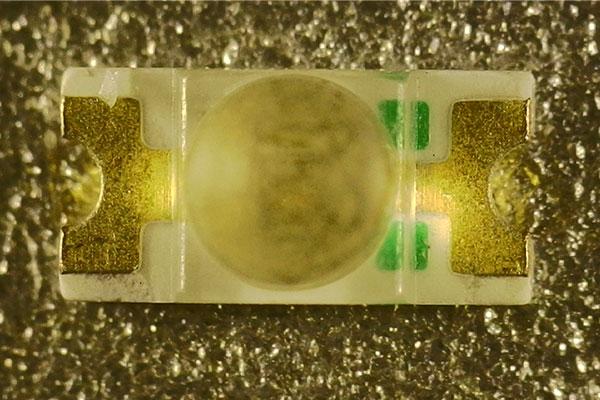
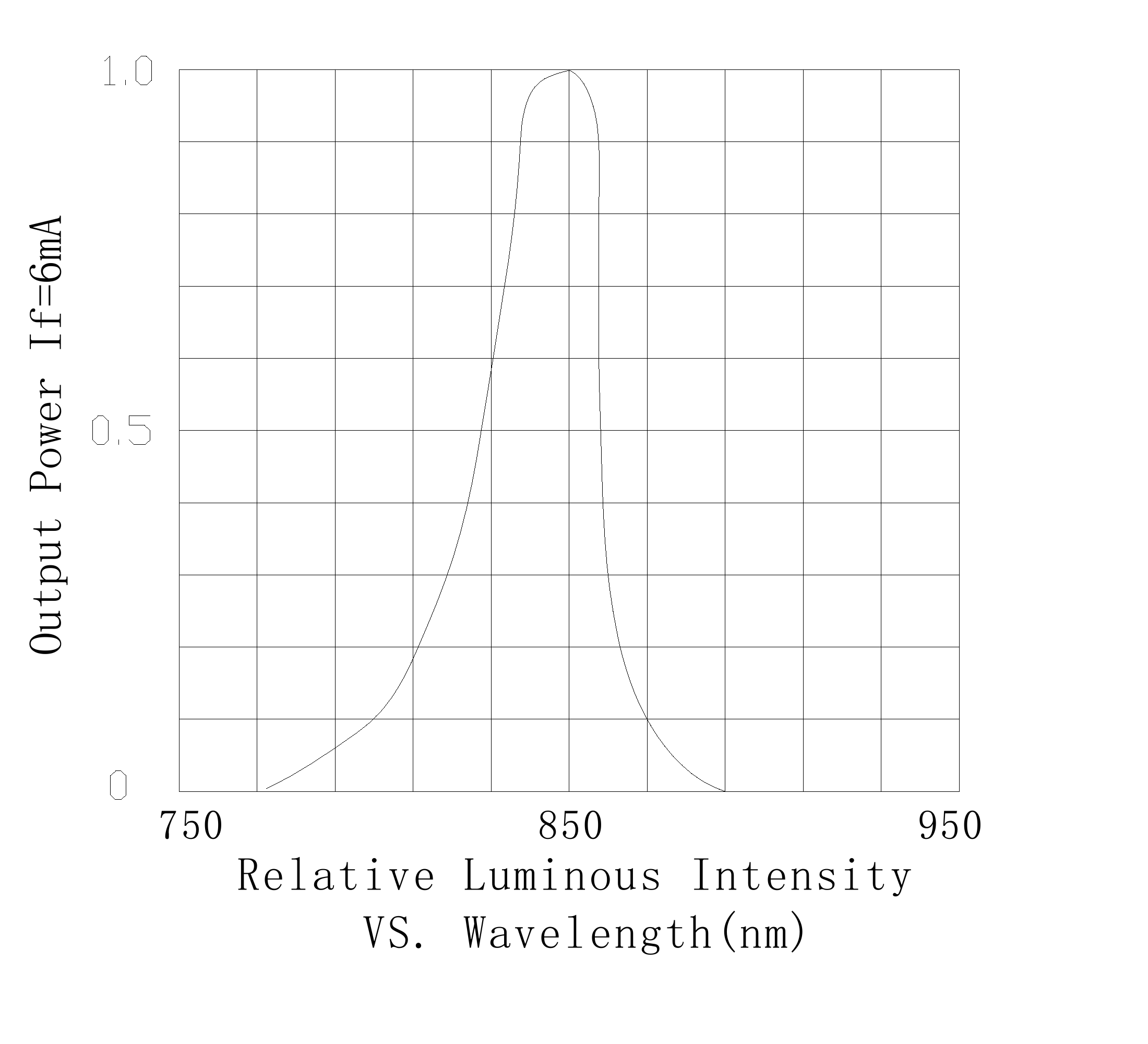
The 1206ULM850-L is a compact single-channel surface-mount VCSEL for PCB-level optical integration. It operates near 850nm and offers a minimum 3dB modulation bandwidth of 3GHz at 6mA, with 2mW typical optical output at the same current.
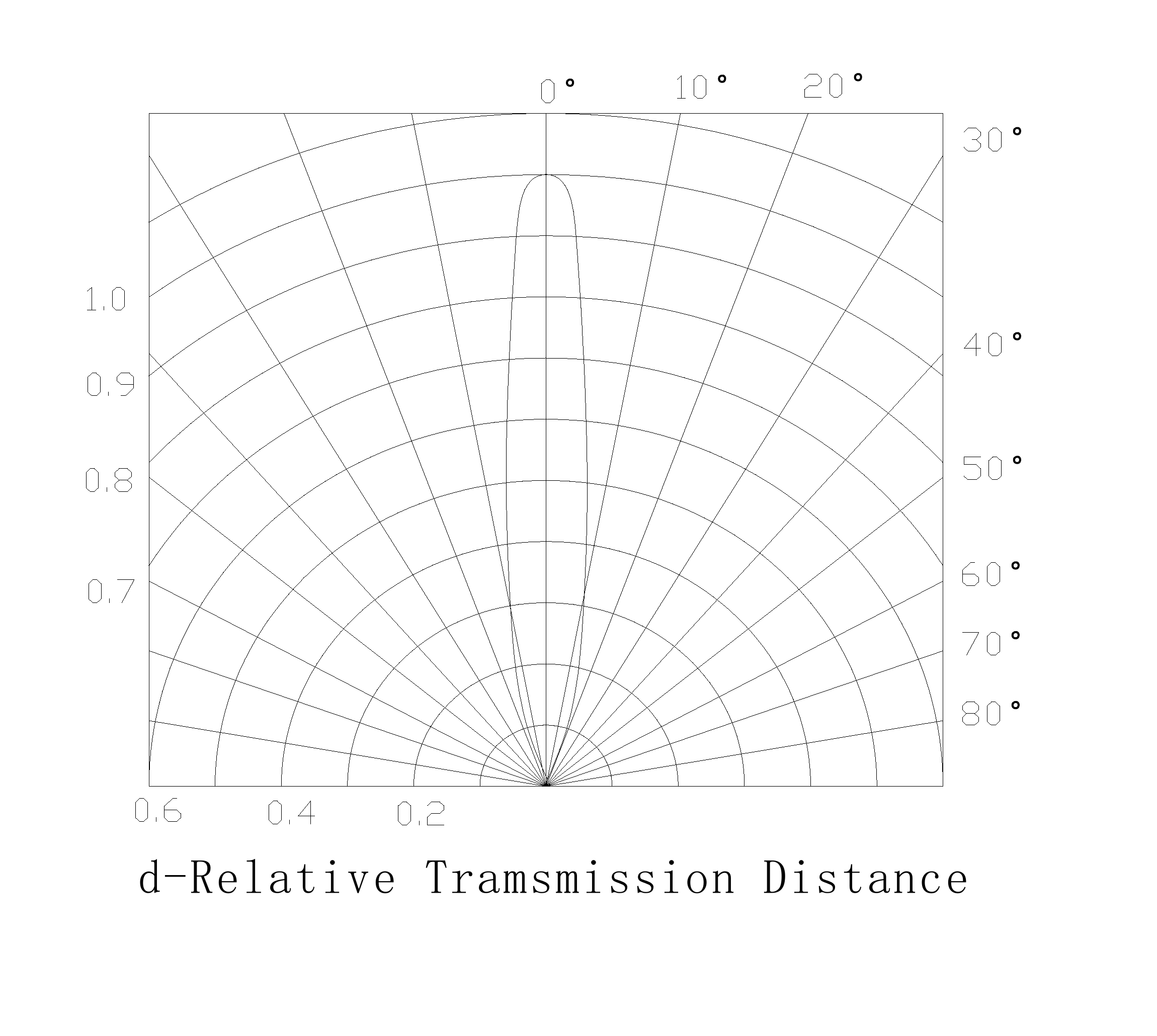
The device also specifies 0.30nm typical spectral width and 12° typical viewing angle. These values matter when designing a transmitter module, matching coupling optics or evaluating receiver alignment.
- 1206 SMD, single-channel light source
- 3dB modulation bandwidth ≥3GHz @ 6mA
- 2mW typical output @ 6mA
- Wavelength 830–860nm; 850nm typical
- Tape-and-reel format for automated PCB assembly
940nm VCSEL and VCSEL + Photodiode for Active Sensing
The 940nm lineup addresses compact proximity and reflective sensing rather than high-power flood illumination. Lumi offers a 1206 single-channel VCSEL and a 1616 VCSEL + photodiode component for an integrated emitter–detector architecture.
1206VCA940R8 · 940nm VCSEL Emitter
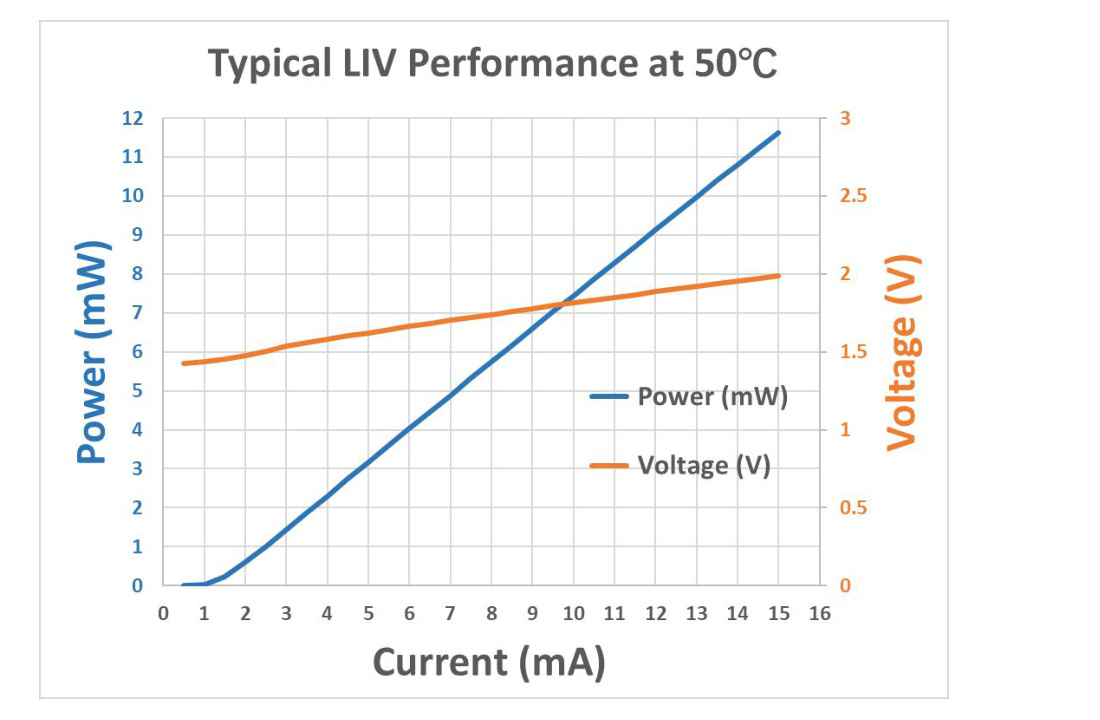
This 1206 SMD source provides 7.2mW typical optical power at 10mA, with 1.8V typical forward voltage and 40% typical power conversion efficiency under the specified test point.
Use the individual output–current curve, temperature behavior and beam-angle requirements to match the source with the receiver and optical enclosure.
1616VCA940R8-PD0224-Z · VCSEL with Integrated Photodiode
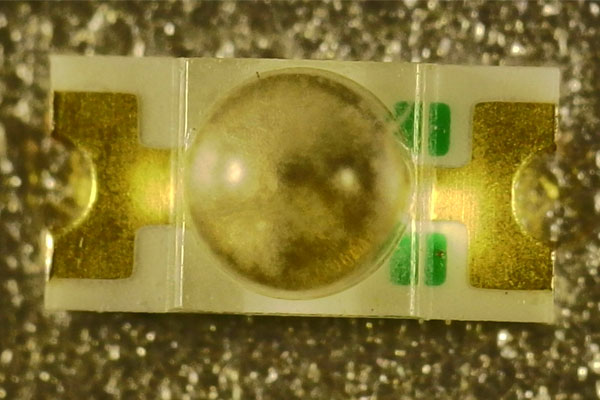
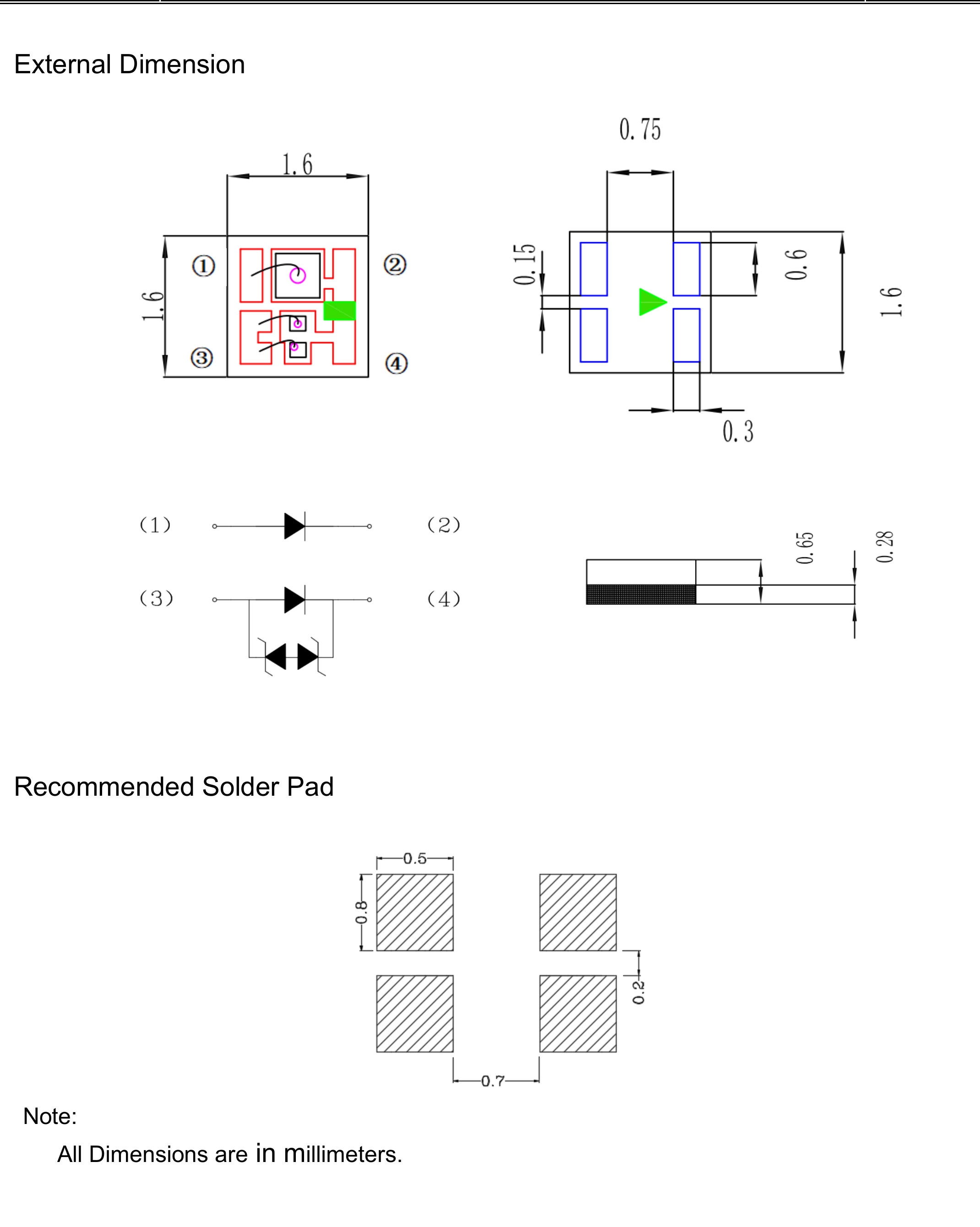
This 1.6 × 1.6mm SMD component integrates a 940nm VCSEL and a photodiode in one package. The emitter is rated at 7.2mW typical optical power; the integrated detector has a maximum dark current of 10nA and 1pF typical capacitance.
Compact emitter–detector integration can simplify packaging for selected reflection-based optical sensors, but optical path, cross-talk, receiver electronics and calibration still need system-level consideration.
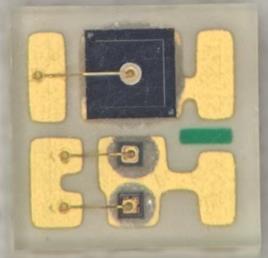
940nm Optical Performance & Mechanical Integration
For production selection, review output–current behavior and mechanical dimensions in addition to nominal wavelength. The following images are reused from Lumi’s current product pages.
Choose SMD or TO/TEC Packaging by System Requirements
Mechanical layout, thermal stability and manufacturing method often determine the practical package choice. VCSEL is the optical architecture; package selection remains a separate decision.
1206 / 1616 SMD VCSEL
- Surface-mount assembly and compact board footprint
- Compatible with automated pick-and-place processes
- Emitter-only and emitter + photodiode configurations
- Suitable for short-range optical sensing modules
TO-46 / TO-39 with TEC
- Standalone optomechanical integration
- TEC options for wavelength-sensitive operation
- Discrete optical alignment and temperature control
- Suitable for selected single-mode 795nm applications
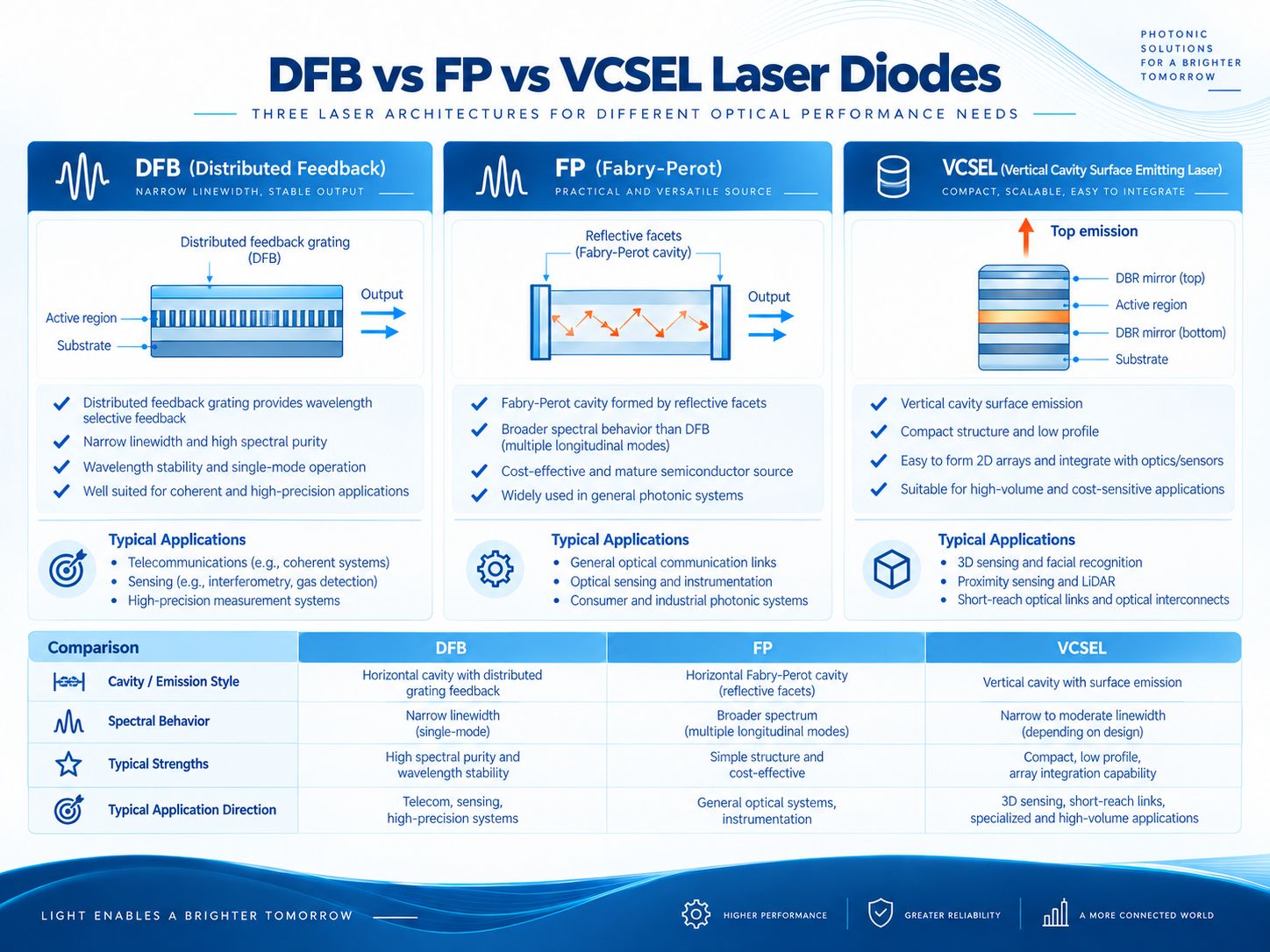
VCSEL vs DFB vs FP Laser Diodes
VCSEL, DFB and FP are three laser architectures, not a ranking from better to worse. Each has different cavity geometry, spectral behavior, manufacturing constraints and suitable applications.
- VCSEL: surface-normal emission and compact, potentially array-based integration.
- DFB: distributed wavelength-selective feedback for precise spectral applications.
- FP: edge-emitting Fabry–Perot architecture, suitable when narrow DFB-grade wavelength selection is not essential.
DFB Laser Diode · FP Laser Diode · Full technology comparison
Applications Guided by Actual Device Performance
The proper VCSEL is chosen by optical power, wavelength, modulation capability and emitter geometry. Industry uses of VCSEL technology should not be confused with the tested specifications of a specific Lumi SKU.
Atomic Clocks & Precision Optics
795nm narrow-linewidth single-mode VCSELs are a candidate source for selected Rb spectroscopy and frequency-sensitive instruments, subject to precise frequency locking and optical-power needs.
Short-Reach Optical Links
850nm SMD VCSELs can serve compact high-speed optical links when the driver, receiver, fiber and measured device bandwidth meet link requirements.
Proximity & Reflective Sensing
940nm compact VCSELs can provide near-infrared light for reflection-based detection, presence and short-range optical monitoring.
Integrated Optical Sensors
The 940nm 1616 device integrates emission and detection, supporting compact sensor architectures with careful optical cross-talk control.
ToF & 3D Technology
VCSEL arrays are widely used for 3D illumination; confirm array-level power and optics independently because current Lumi 940nm SMD products are single-channel / compact devices.
Spectroscopy & Instrumentation
Wavelength-controlled VCSELs can be applied to optical pumping and measurement systems; direct gas sensing requires matching the actual target absorption line.
Specify the VCSEL You Need, Not Just Its Wavelength
A useful request for quotation should define the optical operating point and integration constraints. This prevents comparing devices at different test conditions or selecting the wrong SMD/TO configuration.
Application & Wavelength
Specify the device function and spectral requirement: 795nm precision optics, 850nm links, 940nm active sensing or a defined custom target.
Optical Power
Give CW / pulsed output, operating current, duty cycle and whether the figure refers to one emitter or an array.
Spectrum & Mode
Indicate linewidth, SMSR, spectral width, polarization and single-/multi-mode needs where critical.
Modulation
Provide required 3dB bandwidth, modulation format and driver-related conditions for communication or FM operation.
Beam & Optical Path
Define divergence, far-field shape, lens requirements, detector arrangement and target working distance.
Package & Temperature
Choose SMD or TO/TEC; describe ambient range, heat sinking, soldering constraints and stabilization needs.
Electrical Interface
Share current/voltage limits, pads or pinout, ESD handling requirements and control architecture.
Optical Safety
Assess accessible near-infrared output in the completed system, including its optics, driver and operating modes.
Production Planning
Include prototype quantity, desired lead time, annual forecast, packaging preference and test documentation needs.
Continue Your VCSEL Product Selection
Frequently Asked Questions About VCSEL Laser Diodes
What does VCSEL stand for?
VCSEL stands for Vertical-Cavity Surface-Emitting Laser. The optical cavity is oriented perpendicular to the wafer and useful light emerges through its surface.
How is a VCSEL different from a DFB or FP laser?
A VCSEL normally uses a short vertical resonator between DBR mirrors. DFB and FP laser diodes are typically edge-emitting architectures with different cavity-feedback characteristics.
Which Lumi VCSEL wavelength should I choose?
Choose 795nm for appropriately specified precision or spectroscopy-related systems, 850nm for compact high-speed links, and 940nm for near-infrared active sensing. Verify optical power, bandwidth and detector compatibility for the final design.
Is a 940nm SMD VCSEL suitable for 3D ToF cameras?
Not automatically. A 7.2mW single-channel source and a high-power array have different optical capabilities. Confirm illumination power, optics, driver pulses and safety at the complete system level.
What is the difference between Lumi 1206 and 1616 VCSEL devices?
The current 1206 models are standalone SMD VCSEL emitters; the 1616VCA940R8-PD0224-Z combines a 940nm VCSEL and photodiode in one 1.6 × 1.6mm package.
Why does the 795nm VCSEL use a TEC option?
Wavelength shifts with junction temperature. TEC stabilization is valuable where a narrow optical frequency or reproducible spectral operating point is required.
Can the 795nm VCSEL be used for methane detection?
It can be considered as a pump source in selected frequency-conversion systems. Methane absorption is measured at the actual generated probing wavelength; a 795nm pump does not directly detect every gas.
Is a VCSEL the same as an SMD laser?
No. VCSEL defines the laser architecture. SMD, TO and other formats describe packaging. VCSELs may also be single emitters or arrays.
Does 3GHz VCSEL bandwidth mean a guaranteed data rate?
No. The optical link rate depends on the driver, modulation, receiver, fiber, bandwidth budget and measured system margin.
What should I include in a VCSEL RFQ?
Provide wavelength, application, optical power, duty cycle, spectrum, modulation, beam divergence, package, thermal control, test conditions, sample quantity and annual demand.
Need Help Selecting a VCSEL for Your Design?
Share your application, wavelength, modulation target, required optical power, package, thermal constraints and forecast quantity. Lumi can help evaluate the most relevant current product and OEM configuration.